How to photograph pets that will not sit still
Eye level, the second person, and why the treat goes on the lens. What to do about black dogs, cats indoors, and the one setting that stops every photo being a blur.
3 min read · free to read, no sign-up
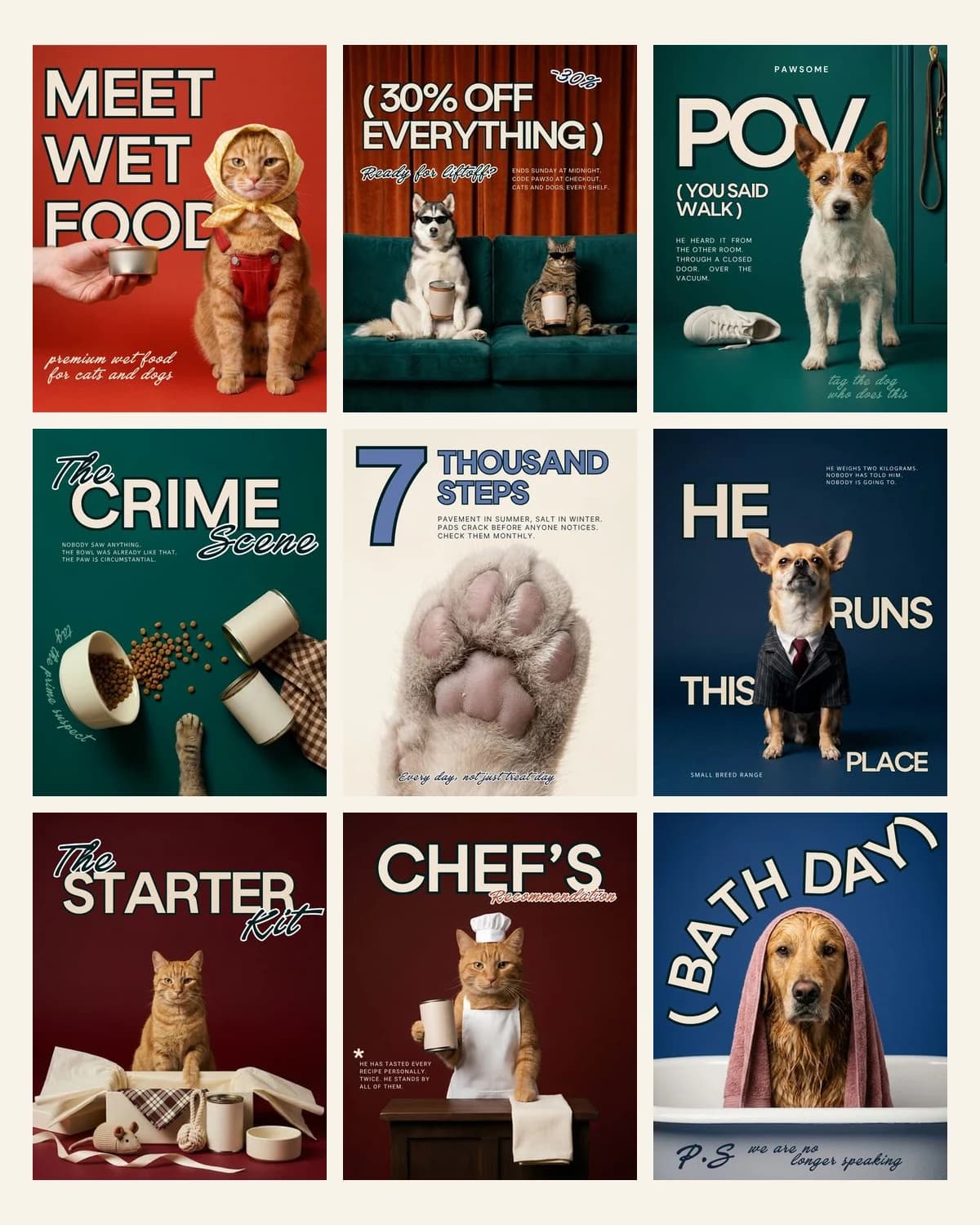
Pet photographs fail in three predictable ways: taken from human height looking down, taken in a dark room, and taken half a second after the moment. All three are fixable without a better camera.
Get down
Shoot from the animal's eye level, not yours. It is the single biggest difference between a snapshot and a photograph — at eye level the background falls away, the face reads properly, and the picture looks like a portrait rather than surveillance.
That means lying on the floor for a small dog and sitting on the floor for a cat. Expect to get dirty; it is the whole trick.
The settings that stop the blur
- 1Use burst mode. Hold the shutter, take twenty, keep one. Nobody times a dog's expression by hand.
- 2Tap to focus on the eyes, every single frame. A sharp nose and soft eyes is the classic failed pet photo.
- 3Find light before anything else. Indoors, that is beside the biggest window in the flat with every lamp off.
- 4Use the 2× lens rather than the wide one, and step back. The wide lens turns a nose into a snout and a face into a caricature.
- 5If your phone has a fast or action mode, use it. Everything else is a fight against motion blur you will lose.
Getting the look
- Bring a second person. One holds attention, one takes the picture — trying to do both is why the animal is always looking away.
- Hold the treat or the toy right beside the lens, not above your head.
- New sound, not repeated sound. The first squeak gets the ears; the fourth gets nothing.
- Photograph after a walk or a play, when the animal is tired. A calm dog photographs; an excited one is a blur with a tongue.
- Short sessions. Five minutes, then stop, then again later.
Black dogs, white dogs, cats indoors
A black coat confuses every automatic exposure — the phone brightens the whole scene and the animal becomes a shape with no detail. Tap on the face, then pull the exposure slider down slightly and let the background go dark. For a white or cream coat, the opposite: pull down harder, because blown-out white cannot be recovered.
Cats indoors need more light than anyone thinks. Put them near the window, shoot side-on to it, and never use flash — it flattens the fur, ruins the eyes, and startles the animal into leaving.
For a pet business
Ask before you post somebody's animal, and keep a note of who said yes. Photograph the same three shots at every appointment — the face, the work you did, and one of the animal being ordinary. That is a year of content collected in ninety seconds a day, and it is the only content in this trade that people reliably stop for.
Sets from this guide
Skip the blank page
See every set

Written for
Your line of work
Keep reading